





Towable boom lift (also called a cherry picker, trailer boom lift, or tow behind boom lift) is widely used in construction, building maintenance, tree care, and outdoor projects. It provides both vertical and horizontal reach, making it perfect for working at heights where ladders or scaffolding are not safe or practical.
Compared with self-propelled lifts, a towable boom lift is lightweight, easy to transport, and cost-effective.
In this guide, we’ll explain step by step how to operate a towable boom lift safely and efficiently, with practical tips for first-time users.
Key Advantages of Towable Boom Lifts
- Easy to transport (tow behind a truck or car)
- Lower rental or purchase cost compared to self-propelled lifts
- Wide working range (ideal for outdoor and uneven terrain)
Hauling
Easy transportation is the main benefit of selecting a towable boom lift over other types of boom lifts.
Towable boom lifts are named after their ability to be towed by pickups, SUVs, and small trailers via a hitch. This feature makes them popular among homeowners and contractors for both professional and non-professional projects.
Step-by-Step: How to Operate a Towable Boom Lift
1. Perform a Pre-Operation Inspection
Before starting, always check:
Surroundings: Look for overhead wires, uneven ground, or soft soil.
Machine condition: Inspect hydraulics, tires, outriggers, and controls.
Power supply: Ensure the engine or battery is in good condition.
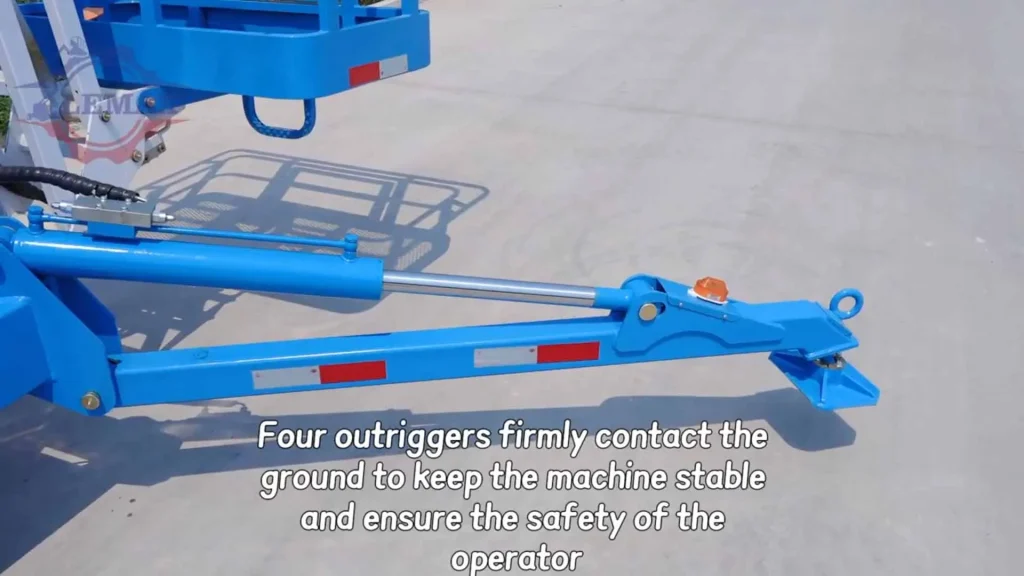
2. Position and Stabilize the Lift
Park the trailer lift on flat ground.
Deploy the outriggers and make sure the machine is level.
Place wheel chocks if necessary.
Wait until the stability indicator confirms safe setup.
3. Operate the Controls
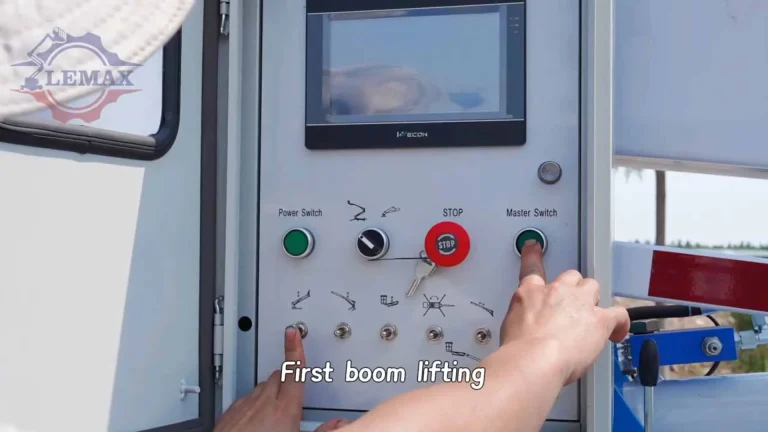
Towable boom lifts usually have ground controls and platform controls.
Test ground controls first (raise, lower, emergency stop).
Enter the basket and wear a safety harness.
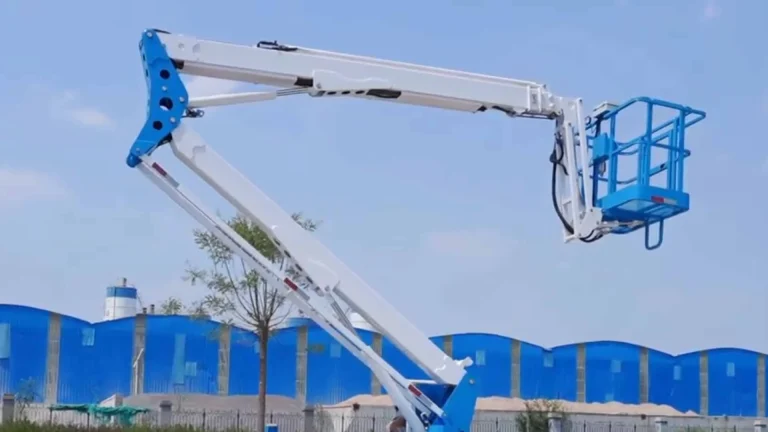
Use the joystick or panel to raise, rotate, or extend the boom.
Move slowly and avoid sudden or jerky motions.
4. Follow Safety Guidelines
Do not exceed the lift’s rated load capacity.
Avoid strong winds or extreme weather.
Stay clear of power lines.
Never bypass alarms or safety features.
5. Shut Down and Store the Lift
Fully retract the boom.
Lower the platform to ground level.
Retract all outriggers.
Disconnect and safely park the machine.
Safety Best Practices
Follow these guidelines to boost safety:
Always wear PPE such as helmets and harnesses.
Inspect lift equipment before each use.
Maintain clear communication with all team members.
Stay aware of surroundings (overhead power lines, low bridges, obstacles).
Common Hazards and How to Avoid Them
Operating a boom lift presents certain risks.
Tipping over: Prevent this by operating only on stable, level ground and following load limit guidelines.
Collision with overhead obstacles: Maintain safe clearance from power lines and structures.
Sudden movements: Avoid quick or jerky motions that could destabilize the lift.
Emergency Procedures and Troubleshooting
Emergency descent: Familiarize yourself with the lift’s emergency descent system to safely lower the platform.
Troubleshooting: Regularly check hydraulic and electrical systems for faults. Address small issues promptly to prevent bigger problems.
Conclusion
Operating a towable boom lift is straightforward once you follow the proper steps: inspection, positioning, safe operation, and shutdown.
Whether you’re using a towable man lift for tree trimming, a tow behind boom lift for building maintenance, or a trailer boom lift for construction, always prioritize safety and stability.
If you’re considering buying one, compare prices and specifications of towable boom lifts and other aerial work platforms to find the right model for your project.